Step-by-Step Guide to Visiting a Chipped Tooth Dentist for the First Time
What to do before your appointment (so you walk in calmer)
If you chipped a tooth and you have an appointment coming up, your first job is to stabilize the situation. Not permanently, just enough that you are comfortable and the dentist can assess the problem without extra chaos.
The biggest thing I tell new patients is to pay attention to what you can and cannot feel. A chip can be mostly cosmetic, or it can expose sensitive dentin, or it can involve the edge of the tooth that bites and breaks down further over time. Those details change the plan.
If you’re wondering how to prepare, here’s what helps most people:
- Rinse gently with warm salt water if you have debris or soreness.
- Save any tiny pieces you can retrieve and bring them if they are clean.
- Avoid very hard, sticky foods on that side until you’re seen.
- If it hurts to chew, switch sides and use softer foods for a few days.
- If you use pain relief, follow the label directions and don’t double up.
One quick lived-experience note: if the chip is on a front tooth, people often try to “fix” it by picking at it or smoothing it with something in a bathroom drawer. That usually makes things worse, even if it feels satisfying for a minute. The tooth can be more fragile at the edge, and the roughness you notice is often the tooth telling you it needs proper dental care chipped tooth steps, not DIY.
Your first dental visit for a chipped tooth: what happens in order
Your first dental visit chipped tooth experience is typically straightforward, but it helps to know the flow so you are not stuck waiting while guessing what comes next.
1) Check-in and initial questions
Expect the receptionist to confirm your contact details and insurance information. Then the dentist or dental team usually asks key questions, like when the chip happened, how it happened, whether you felt pain immediately, and whether cold air or sweet foods trigger sensitivity. If you know it was from a bite, a fall, or grinding, say so. Those stories help them interpret the fracture.
If you have dental photos from your phone, bring them or show them. A small chip can look different in different lighting, and your perspective matters.
2) Examination and sensitivity testing
The clinician will look closely at the tooth surface. They may dry the area, shine a focused light, and check how the chip catches the light. Then they often test sensation, usually with cold and sometimes with gentle pressure or a tool that checks the bite contact. That part can be uncomfortable, but it should not be sharp pain. If it hurts more than you can tolerate, tell them right away.
They also check for adjacent issues. Sometimes the chip is the symptom, and the underlying cause is a bite alignment problem, clenching, or uneven wear that stresses the tooth edge.
3) Imaging, if needed
Not every chipped tooth needs imaging, but many first visits include an X-ray to make sure the fracture line is limited to enamel or whether it extends deeper. The phrase chipped tooth treatment process starts here, because the imaging guides whether the plan is conservative, restorative, or in rare cases more urgent.
If imaging is recommended and you’re nervous, ask what they are looking for. A clear answer helps people feel grounded.
4) Discussion of options, including cost and timelines
Once they understand the extent of the damage, the dentist will explain what they think happened and what they recommend. This is where you should ask the practical questions: what is the goal of treatment, how long it will take to protect the tooth, and what follow-up is expected.
For first-time patients, it’s also fair to ask, “What are the trade-offs if I wait?” Chips can sometimes stay stable, but others can worsen with chewing. The dentist’s job is to help you make a decision based on your specific risk, not a one-size-fits-all script.
Choosing chipped tooth treatment options that fit your situation
When people search for chipped tooth dentist advice, they often expect one universal fix. In reality, chipped tooth treatment process varies based on size, location, sensitivity, and bite involvement.
Here are common directions your dentist may discuss, depending on what they see:
- Dental bonding: Often used for small to moderate chips, especially on visible surfaces. It can restore shape quickly, usually in a single visit.
- Dental crown (or other stronger restoration): Considered when a chip involves a large portion of the tooth, affects structure needed for strength, or there is more extensive damage.
- Veneer (when appropriate): Sometimes used for cosmetic improvement when the front tooth needs reshaping, not just patching.
- Protective smoothing or bite adjustments: If the chip is minor but the bite is causing ongoing stress, correcting how the teeth meet can help prevent further damage.
What surprises many people is that the “best-looking” option is not always the “best-protective” one. A bonding repair can be gorgeous and durable for many patients, but if the chip is on a high-force biting edge, the dentist may recommend a more robust restoration to reduce the chance of repeat breakage.
If you’re worried about appearance, say so early. It helps the dentist choose materials and finishing steps with your priorities in mind.
What to expect during and right after repair
Once you pick a plan, the appointment moves from diagnosing to repairing. Even if your tooth will be treated with something that seems minor, the dentist still aims for good protection and a restoration that blends into your bite.
Comfort and procedure basics
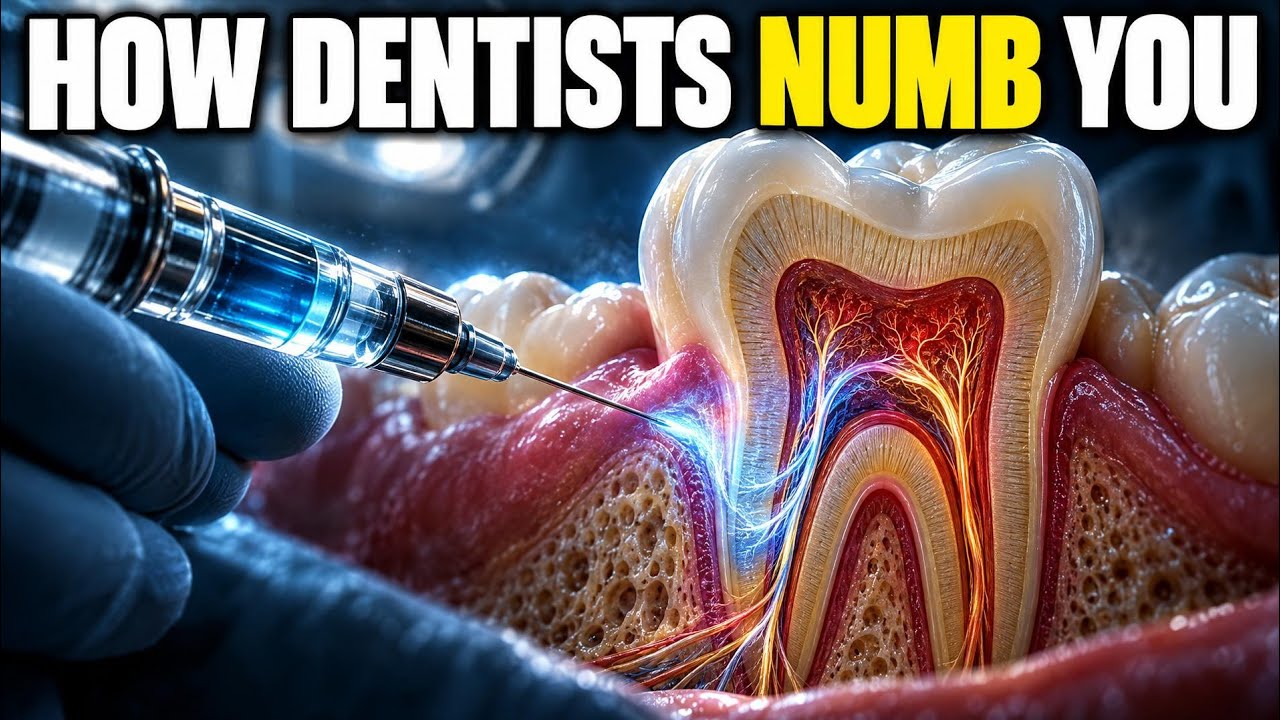
The team will explain what they will do before they start. Many repairs involve numbing, especially if the chip is near sensitive dentin or if they need to reshape the tooth. If your chip is on a front tooth and you’re anxious, ask if they can minimize time on the chair while still doing careful finishing. Most dental teams understand that fear and can pace the experience.
If there is bonding or another restorative procedure, you might notice the dentist checking fit repeatedly. That is a good sign. The final shape and smoothness matter, because rough edges can irritate your tongue and can catch food, which also affects dental care chipped tooth https://emergencydentistmaidenhead.co.uk steps at home.
After your appointment
Right after treatment, you may notice temporary sensitivity. That can happen as the tooth settles and as the restoration bonds and finishes. The dentist will tell you what is normal and what is not.
Important practical guidance: avoid hard foods until you have time for the restoration to fully set and you feel comfortable chewing again. The tooth edge may still be vulnerable for a short window, even when the repair is secure.
Also, keep an eye on bite pressure. If your tooth feels “taller” or your bite hits that spot first, mention it. A small bite adjustment can prevent a lot of frustration.
Follow-up care: how to protect the tooth after your first chipped tooth repair
The goal after repair is simple: keep the restoration intact and keep the tooth healthy. That sounds obvious, but the day-to-day habits make the difference.
Home care that actually helps
Your dentist will likely give personalized advice, but the basics are consistent across cases. Brush gently along the gumline, clean around the restoration, and maintain your usual flossing routine. If you have trouble flossing because the chip area feels different, ask for a technique tip. People often assume they need a different product, but sometimes it’s really about the angle and patience.
If you grind your teeth or clench, mention it if you have noticed morning jaw soreness or tooth wear patterns. In those situations, protecting the tooth from repeated stress is part of dental care, not an optional add-on.
When to call sooner rather than later
If you experience worsening pain, persistent sharp sensitivity, or the restoration feels like it is catching in your bite, contact the dental office. Don’t wait until the next routine visit. Chips and repairs can need an adjustment, and earlier checks are usually simpler and less stressful.
Finally, give yourself credit for doing the right thing. Your first dental visit chipped tooth experience can feel intimidating, but you’re not walking in blind. You’re bringing a tooth that needs attention, and the dental team can guide you through the chipped tooth dentist process step by step.
When people tell me they wish they had come sooner, it’s rarely about the procedure itself. It’s usually about feeling confident again when they smile, chew, and speak without worrying that something small is about to break further.